
How the Clayton County Convention & Visitors Bureau is using tourism, culture, food, and strategic marketing to drive economic impact across the county
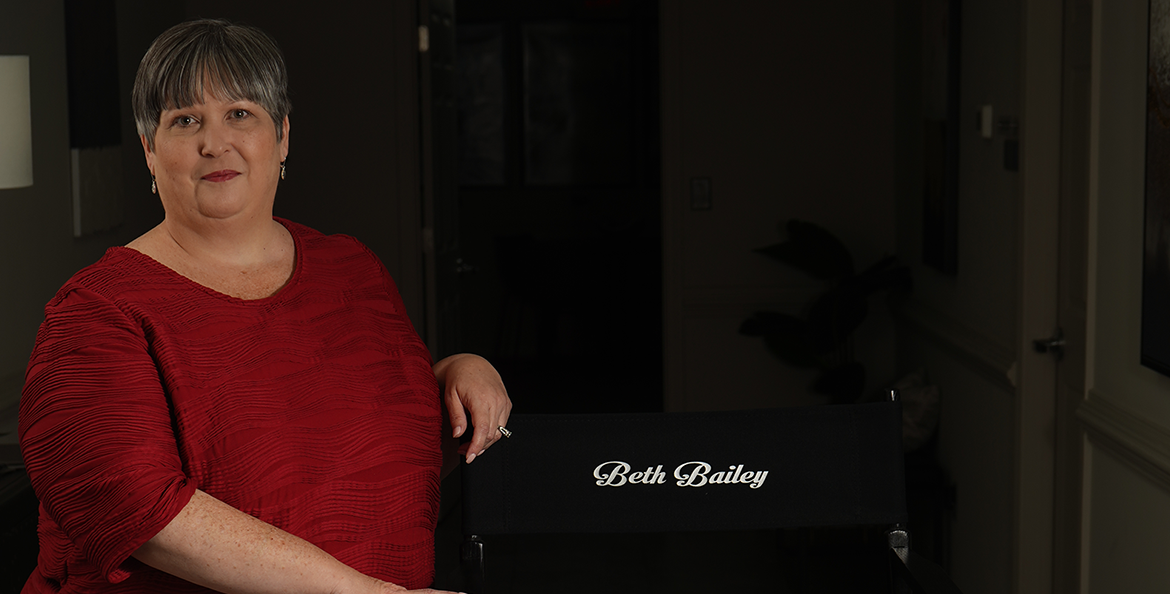
Clayton County has long been known as the home of Hartsfield-Jackson Atlanta International Airport, one of the most important travel gateways in the world. But for Beth Bailey, President & CEO of the Clayton County Convention & Visitors Bureau, the county’s tourism story does not begin and end at the airport. It begins with opportunity.
The Clayton County Convention & Visitors Bureau is responsible for increasing tourism through marketing, promotion, partnerships, and visitor engagement. That work is not just about attracting people to the county. It is about strengthening the local economy.
According to the Explore Georgia 2024 Economic Impact Report, tourism supports more than 6,600 jobs in Clayton County. Visitors spent $797.5 million in the county last year, making tourism one of the area’s most important economic drivers.
“Because tourism is an economic driver, dollars are used to measure success.”
Those dollars show up in ways residents and business owners can feel. Visitor spending supports restaurants, hotels, gas stations, retail stores, cultural attractions, event venues, and local jobs. Last year alone (2025), visitors spent $232.6 million on food and beverage and $116.3 million in retail in Clayton County.
For Bailey and her team, those numbers help tell the story of why tourism matters. But the CVB is preparing to go even deeper. A new Clayton County tourism research project will examine who is visiting, where visitors get their information, who makes travel decisions, how long visitors stay, whether they use hotels or short-term rentals, and how many people travel together. The research will also look at the difference between day-trippers and overnight guests, along with the conversion rate between people who research Clayton County and those who actually visit.
That data will help guide future tourism product development and marketing.
A County With More to Discover
One of Clayton County’s strongest tourism advantages is location. The county sits within the Metro Atlanta region and offers close access to downtown Atlanta while providing a calmer, more relaxed experience for visitors who want a break from the pace of the city.
“As a part of the Metro Atlanta region, it is important for Clayton County to highlight the close proximity to the excitement of downtown Atlanta while offering our visitors a respite from the hustle and bustle that can come from a big city,” Bailey said.
That balance is a major part of the county’s tourism identity. Clayton County is convenient, accessible, and connected, but it also offers cultural, historical, artistic, and outdoor experiences that many people outside the county may not realize exist.
Through its visitors guide, website, advertising, and social media platforms, the CVB highlights attractions such as the Hattie McDaniel Legacy Experience, Spivey Hall, Arts Clayton, the Clayton County Math Trail, the new mural trail, and the rare co-location of the Georgia Archives and the National Archives at Atlanta.
The county also offers natural spaces such as Newman Wetlands Center and Reynolds Nature Preserve, giving visitors a chance to experience the quieter side of Clayton County.
Tourism as Local Economic Development
Tourism is often discussed in terms of visitors, but its impact is deeply local. The money visitors spend helps support small businesses, especially restaurants, retail shops, hotels, and attractions.
Clayton County’s food scene has become one of the CVB’s major areas of focus. Bailey noted that the county’s locally owned restaurants are a key part of its tourism marketing, especially because of the area’s range of international flavors and local favorites.
The CVB promotes these businesses through print, digital, and social media campaigns. The new Clayton County Visitors Guide also highlights many locally owned dining spots, helping connect visitors directly to local establishments.
“Our local restaurants are a large part of our marketing, locally and regionally, because of our variety of international flavors and local favorites,” Bailey said.
The CVB also works closely with hotels in unincorporated Clayton County to increase overnight stays through marketing and sales efforts. Overnight visitors are especially valuable because they tend to spend more money in the community, including on lodging, food, fuel, entertainment, and shopping.
Partnerships with cultural institutions are also central to the tourism strategy. Organizations such as Arts Clayton, Spivey Hall, Newman Wetlands Center, Reynolds Nature Preserve, the Road To Tara Museum, and other local attractions help build the visitor experience and give people reasons to spend more time in the county.
Big Events, Bigger Opportunities
Looking ahead, 2026 brings major tourism opportunities for Clayton County and the entire Metro Atlanta region.
With the FIFA World Cup coming to Atlanta this summer, tourism partners across the region have been preparing for nearly two years. For Clayton County, the goal is to promote local events, such as viewing parties hosted by cities, while also encouraging visitors to explore the county on days when games are not being played.
Bailey sees this as a chance to introduce new visitors to places like Spivey Splash Water Park, Arts Clayton, the Road To Tara Museum, and the Rosenwald School in Jonesboro.
Clayton County is also the new host city for the Georgia Golden Olympics, which will take place in September. The event is expected to bring more than 800 senior athletes to compete in sports such as swimming, archery, tennis, golf, cornhole, checkers, bowling, and disc golf.
The economic impact of an event like this extends beyond the competition itself. Athletes, families, and spectators stay in hotels, eat in restaurants, buy gas, and shop locally.
For local organizations and event planners, the CVB offers opportunities for collaboration. The sales office works with meeting planners, event planners, group tour operators, and others interested in bringing groups to Clayton County.
Marketing Clayton County to the World
The Clayton County CVB uses a mix of traditional and digital strategies to promote the county regionally and nationally. Print advertising remains part of the approach, but digital platforms have become increasingly important in reaching potential visitors.
The CVB uses targeted advertising for people searching for Atlanta, the ATL airport, and other keywords that align with Clayton County’s offerings. Marketing themes often combine several parts of the county’s appeal, such as food and outdoor experiences or international flavors and things to do.
Digital and social media are especially important because travelers increasingly use online platforms to make decisions. The CVB uses tools such as geofencing and retargeting to put its message in front of people who are most likely to move from gathering information to actually visiting.
The See Clayton County, GA social media platforms have also become a strong source of content for both visitors and residents. The platforms showcase attractions, restaurants, events, outdoor spaces, and experiences throughout the county.
The Next Five Years
Over the next five years, Bailey would like to see Clayton County expand its tourism offerings and develop more large-scale events.
One major opportunity is the new Clayton County Mural Trail, which is launching this year. The long-term vision is for the mural trail to grow into a full Clayton County Arts Trail, with more public art throughout the community.
Bailey also sees the need for a signature event that could attract large crowds and create significant economic impact for local businesses.
While the CVB cannot create events because of legislative constraints, it can promote and advertise events that have strong potential to bring visitors into the county.
“In the next five years, I would like to see more tourism products and larger-scale events in Clayton County,” Bailey said.
Three Places to Start
For someone visiting Clayton County for the first time, Bailey recommends starting with three experiences.
The first is Newman Wetlands Center, a beautiful, raised boardwalk that is handicap accessible and gives visitors the chance to be surrounded by the natural beauty of the county.
The second is the Hattie McDaniel Legacy Experience at the Road To Tara Museum. This interactive exhibition highlights the achievements of Hattie McDaniel, including her impact on Black actors in Hollywood, her activism, and her philanthropy. The exhibition also shares the stories of other Black actors from Gone with the Wind and their lives beyond their roles in the film.
The third is dining at one or more of Clayton County’s local restaurants. From Southern soul food to international cuisine, the county’s food scene is one of its strongest and most flavorful assets.
The new Clayton County Visitors Guide is available at locations throughout the county, including the visitors center inside the historic train depot at 104 N. Main Street in Jonesboro. Visitors and residents can also follow See Clayton County, GA on social media or visit SeeClaytonCountyGA.com for more information.
Clayton County may be known as a gateway, but the work of the Convention & Visitors Bureau is helping more people understand that it is also a destination in its own right.
And with strong visitor spending, growing cultural assets, new events, and a deeper focus on data-driven marketing, Clayton County’s tourism future is not just promising. It is already producing results.